Glycemic Index Chart Printable
Glycemic Index Chart Printable - The glycemic index is a scale that ranks the number of carbohydrates in foods from zero to 100, indicating how quickly a food causes a person’s blood sugar to rise. This article reviews all you need to know about the. A continuous glucose monitor is a small device that sticks to your arm. Every few minutes it sends a signal to your phone estimating your blood sugar levels. The glycemic index (gi) is a value used to measure how much a specific food increases your blood sugar levels. Seekon addresses common glycemic index questions and explains the importance of looking beyond gi to an overall balanced diet. The glycemic index is a numerical system ranging from 0 to 100 that measures how quickly carbohydrates in food raise blood glucose levels after consumption. Here’s a rundown of what foods are part of a low glycemic index diet, and which to avoid. The glycemic index can identify which foods cause wild swings in blood sugar. The glycemic index (gi) is a relative ranking of how different carbohydrates affect blood sugar. The glycemic index can identify which foods cause wild swings in blood sugar. The glycemic index (gi) is a value used to measure how much a specific food increases your blood sugar levels. When you have type 2 diabetes, one of the best ways to control your glucose. Every few minutes it sends a signal to your phone estimating your blood sugar levels. Seekon addresses common glycemic index questions and explains the importance of looking beyond gi to an overall balanced diet. Glycemic index (gi) is a ranking system that measures how quickly carbohydrates in a food are broken down and absorbed into the bloodstream, causing a rise in blood sugar levels. The glycemic index (gi) is a relative ranking of how different carbohydrates affect blood sugar. Here’s a rundown of what foods are part of a low glycemic index diet, and which to avoid. / ɡlaɪˈsiːmɪk / [1]) is a number from 0 to 100 assigned to a food, with pure glucose arbitrarily given the value of 100, which represents the relative rise in. The glycemic index is a scale that ranks the number of carbohydrates in foods from zero to 100, indicating how quickly a food causes a person’s blood sugar to rise. The glycemic index is a numerical system ranging from 0 to 100 that measures how quickly carbohydrates in food raise blood glucose levels after consumption. A continuous glucose monitor is a small device that sticks to your arm. / ɡlaɪˈsiːmɪk / [1]) is a number from 0 to 100 assigned to a food, with pure glucose arbitrarily given the value. The glycemic index (gi) is a relative ranking of how different carbohydrates affect blood sugar. Here’s a rundown of what foods are part of a low glycemic index diet, and which to avoid. Seekon addresses common glycemic index questions and explains the importance of looking beyond gi to an overall balanced diet. When you have type 2 diabetes, one of. The glycemic index (gi) is a value used to measure how much a specific food increases your blood sugar levels. The glycemic index is a numerical system ranging from 0 to 100 that measures how quickly carbohydrates in food raise blood glucose levels after consumption. The glycemic index is a scale that ranks the number of carbohydrates in foods from. Glycemic index (gi) is a ranking system that measures how quickly carbohydrates in a food are broken down and absorbed into the bloodstream, causing a rise in blood sugar levels. The glycemic index is a numerical system ranging from 0 to 100 that measures how quickly carbohydrates in food raise blood glucose levels after consumption. This article reviews all you. What is the glycemic index? The glycemic index (gi) is a value used to measure how much a specific food increases your blood sugar levels. A continuous glucose monitor is a small device that sticks to your arm. The glycemic (glycaemic) index (gi; Glycemic index (gi) is a ranking system that measures how quickly carbohydrates in a food are broken. Seekon addresses common glycemic index questions and explains the importance of looking beyond gi to an overall balanced diet. A continuous glucose monitor is a small device that sticks to your arm. The glycemic index is a scale that ranks the number of carbohydrates in foods from zero to 100, indicating how quickly a food causes a person’s blood sugar. What is the glycemic index? A continuous glucose monitor is a small device that sticks to your arm. The glycemic (glycaemic) index (gi; The glycemic index is a numerical system ranging from 0 to 100 that measures how quickly carbohydrates in food raise blood glucose levels after consumption. When you have type 2 diabetes, one of the best ways to. A continuous glucose monitor is a small device that sticks to your arm. Seekon addresses common glycemic index questions and explains the importance of looking beyond gi to an overall balanced diet. When you have type 2 diabetes, one of the best ways to control your glucose. Glycemic index (gi) is a ranking system that measures how quickly carbohydrates in. What is the glycemic index? The glycemic index is a scale that ranks the number of carbohydrates in foods from zero to 100, indicating how quickly a food causes a person’s blood sugar to rise. / ɡlaɪˈsiːmɪk / [1]) is a number from 0 to 100 assigned to a food, with pure glucose arbitrarily given the value of 100, which. Every few minutes it sends a signal to your phone estimating your blood sugar levels. / ɡlaɪˈsiːmɪk / [1]) is a number from 0 to 100 assigned to a food, with pure glucose arbitrarily given the value of 100, which represents the relative rise in. The glycemic index (gi) is a value used to measure how much a specific food. Here’s a rundown of what foods are part of a low glycemic index diet, and which to avoid. Every few minutes it sends a signal to your phone estimating your blood sugar levels. The glycemic index is a numerical system ranging from 0 to 100 that measures how quickly carbohydrates in food raise blood glucose levels after consumption. / ɡlaɪˈsiːmɪk / [1]) is a number from 0 to 100 assigned to a food, with pure glucose arbitrarily given the value of 100, which represents the relative rise in. A continuous glucose monitor is a small device that sticks to your arm. This article reviews all you need to know about the. The glycemic (glycaemic) index (gi; The glycemic index (gi) is a value used to measure how much a specific food increases your blood sugar levels. The glycemic index can identify which foods cause wild swings in blood sugar. The glycemic index (gi) is a relative ranking of how different carbohydrates affect blood sugar. Glycemic index (gi) is a ranking system that measures how quickly carbohydrates in a food are broken down and absorbed into the bloodstream, causing a rise in blood sugar levels. Seekon addresses common glycemic index questions and explains the importance of looking beyond gi to an overall balanced diet.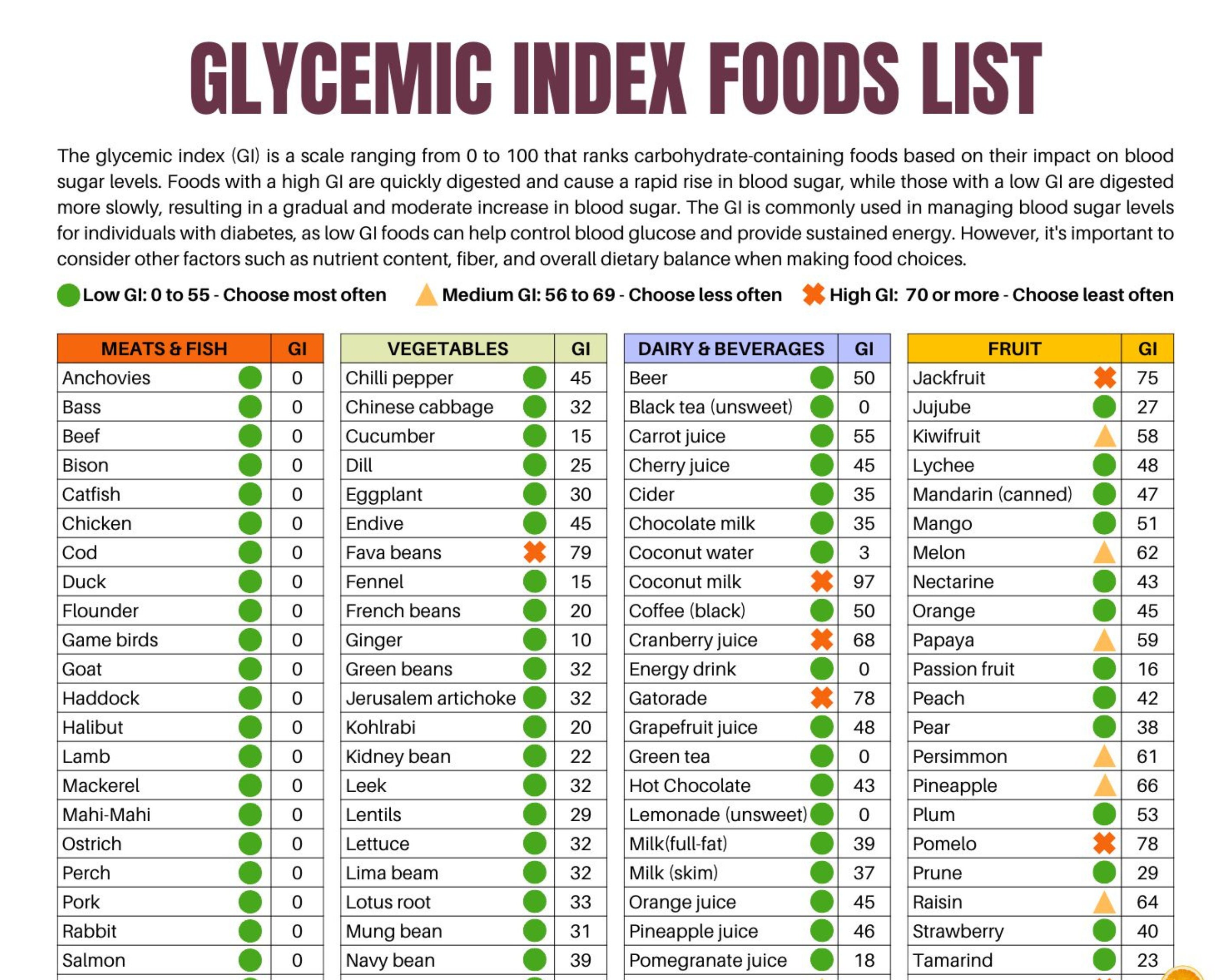
Printable Glycemic Index Food List
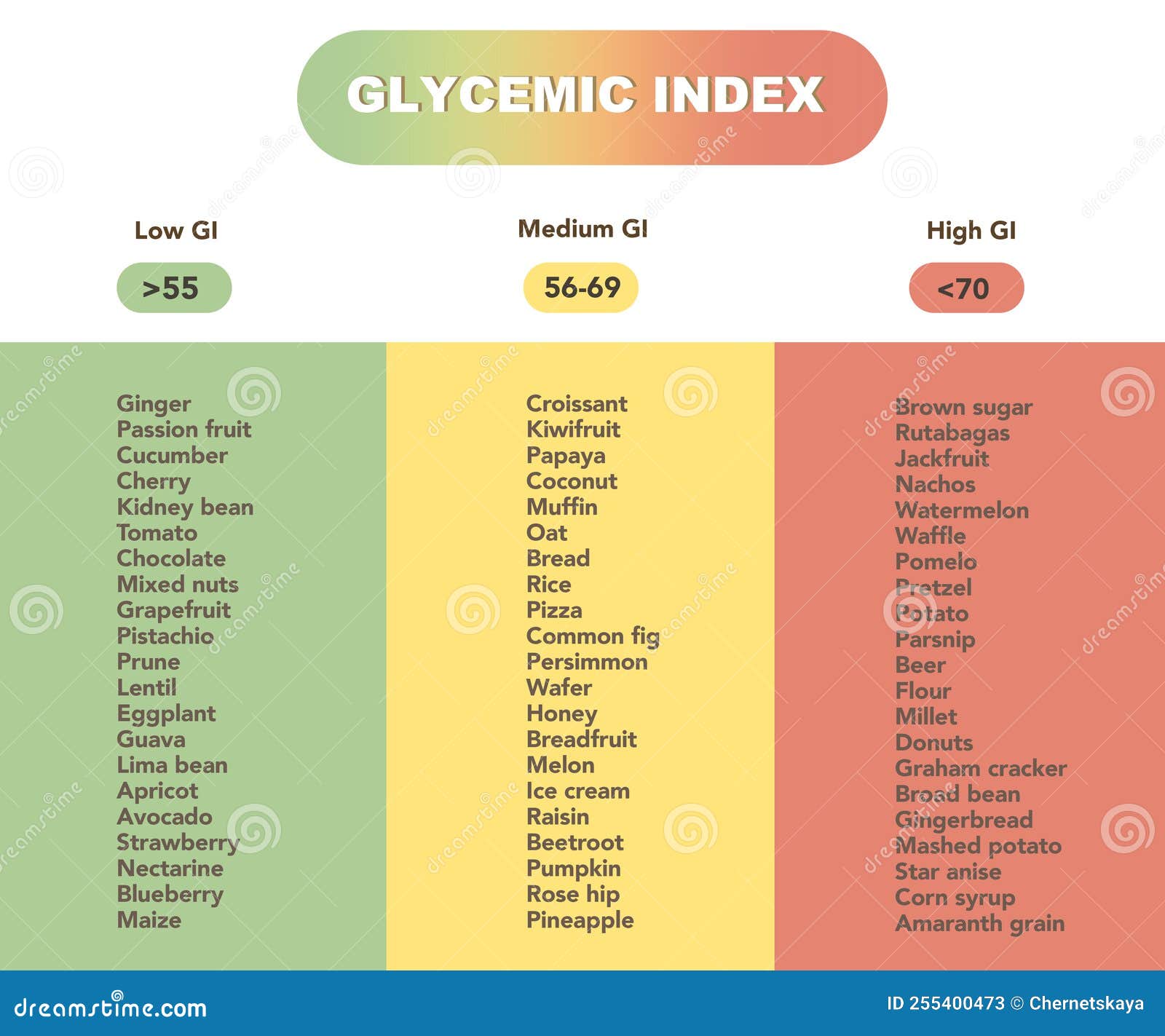
Glycemic Index Chart For Common Foods. Illustration RoyaltyFree Stock

Printable Glycemic Index Food List Chart
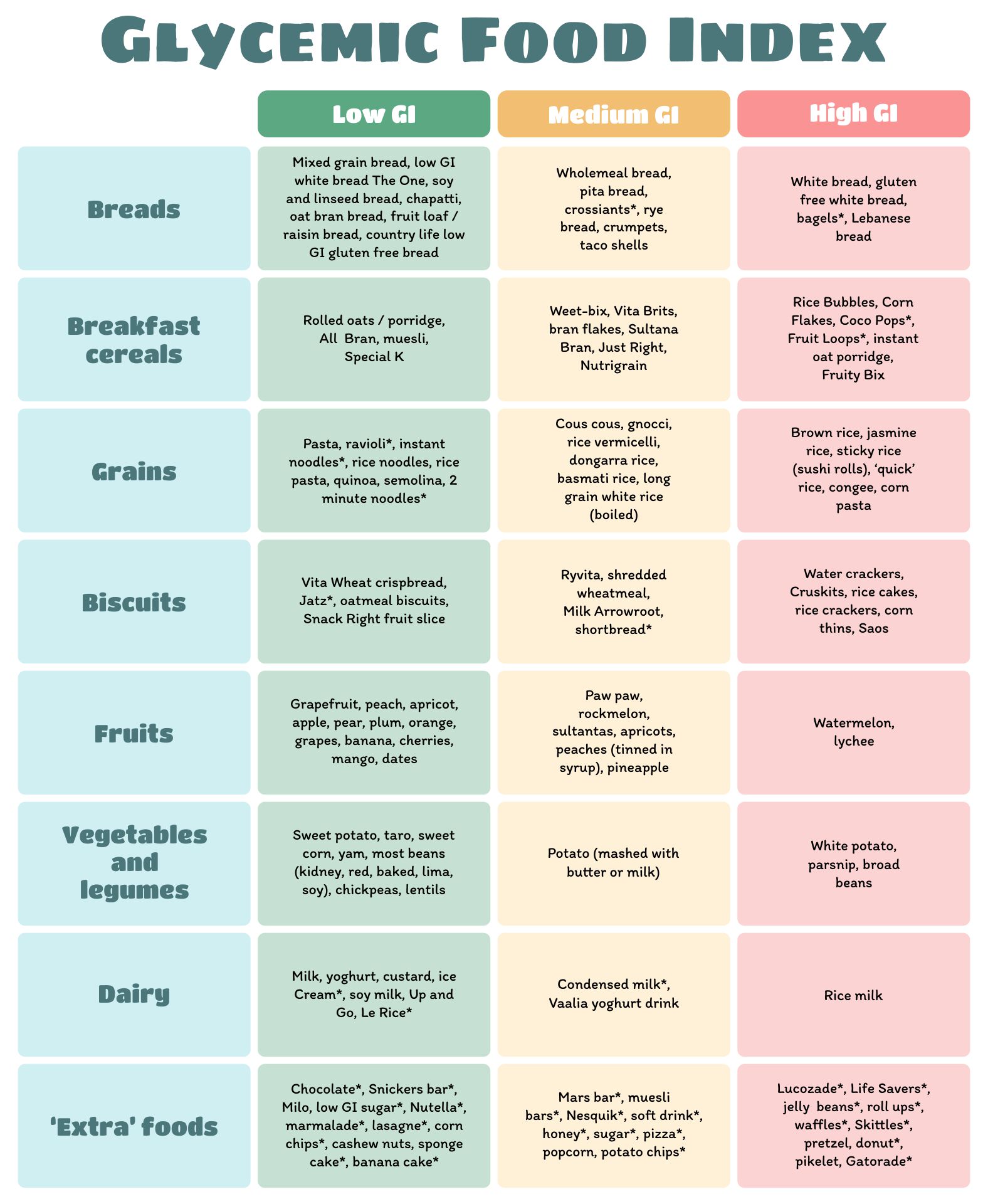
Glycemic Index By Glycemic Load Chart Free Download Glycemic Index
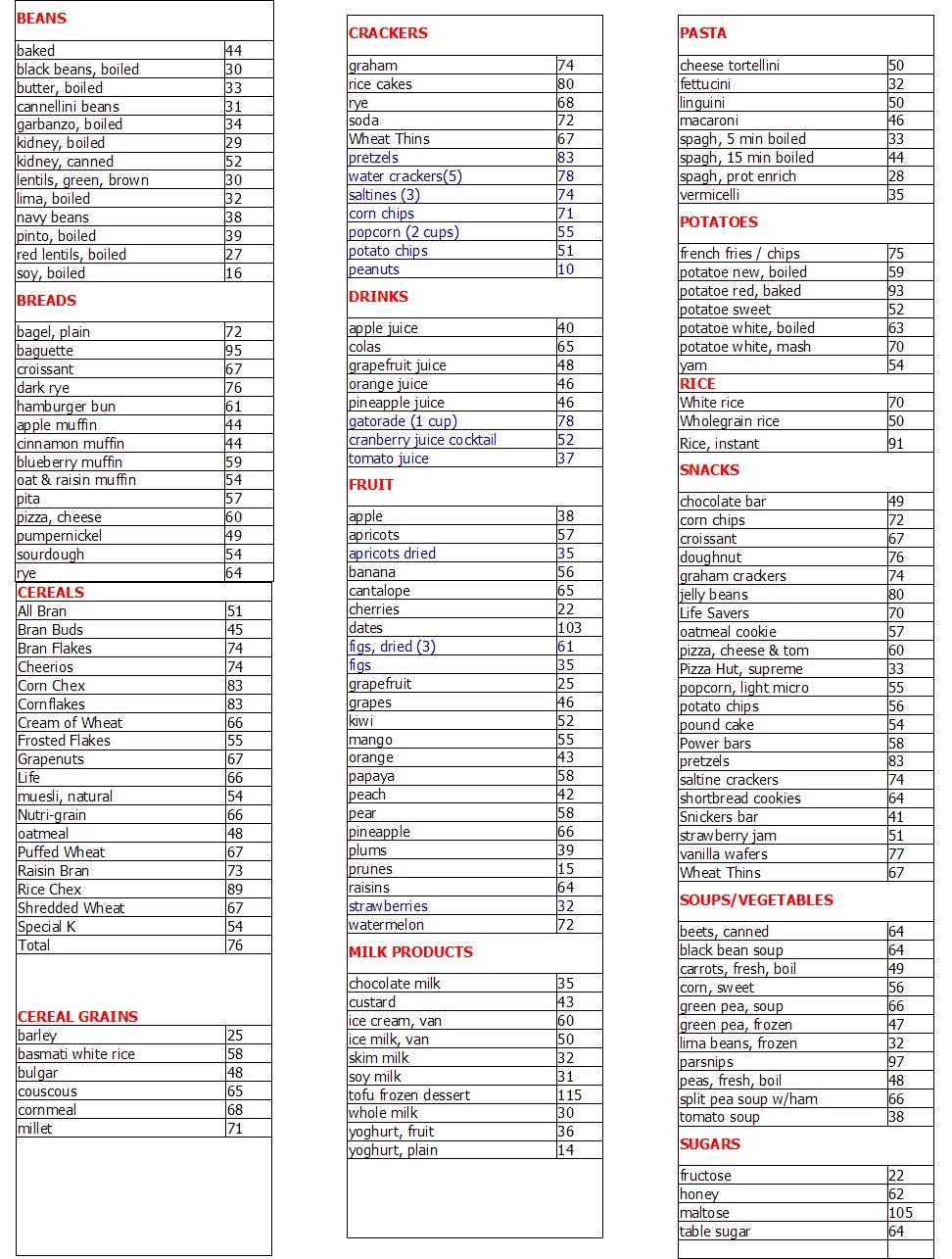
glycemic index chart TOP GOAL
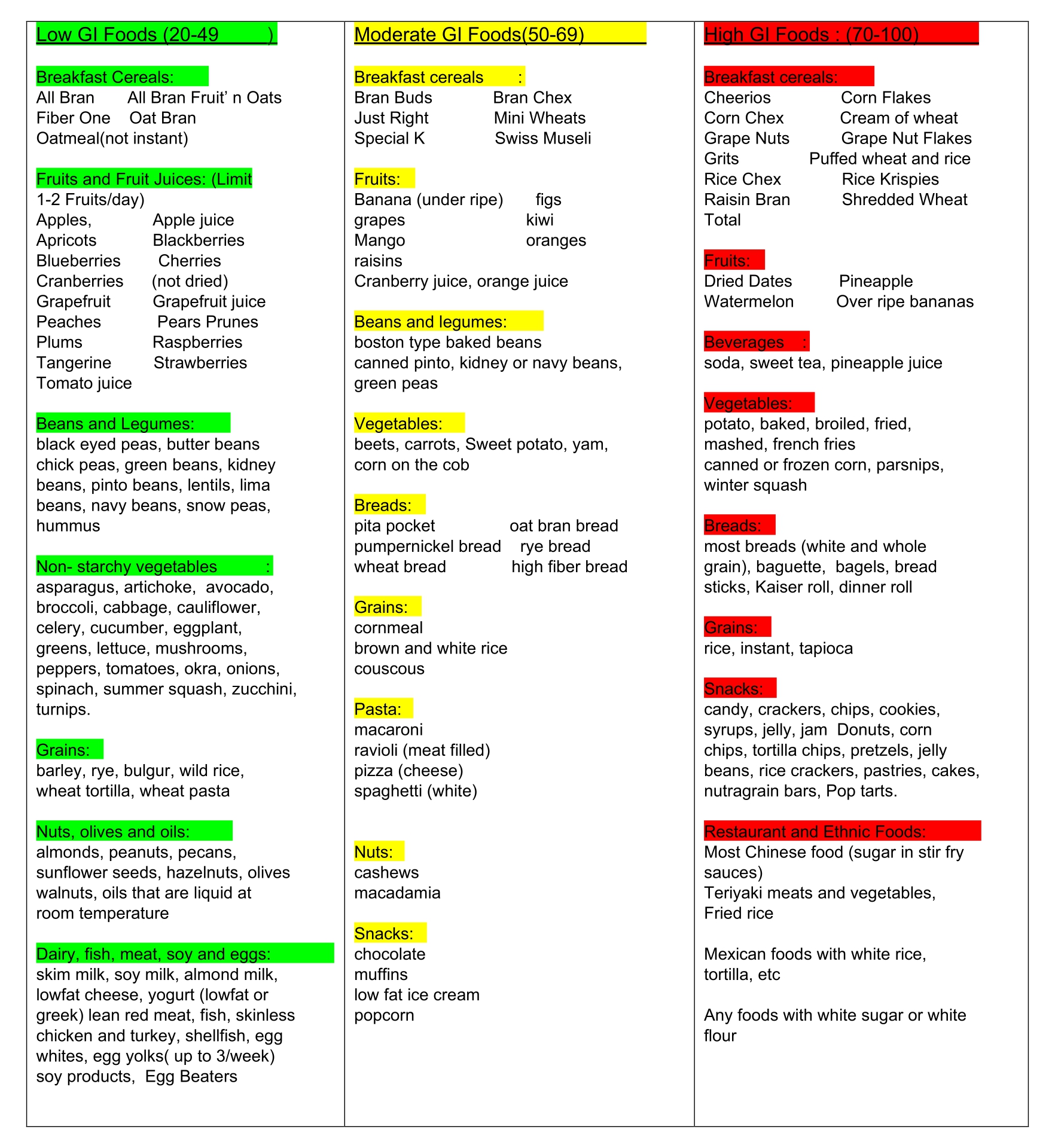
Glycemic Index Chart Pdf Glycemic food list chart index printable low
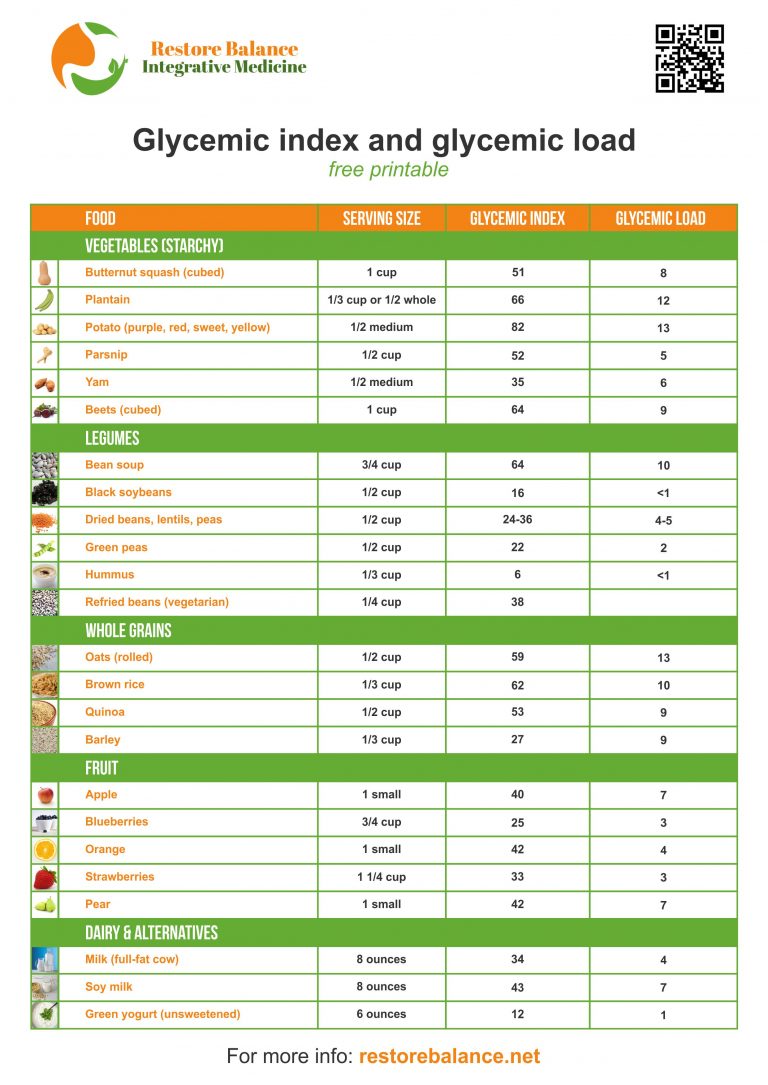
Printable Glycemic Index And Load Chart Pdf
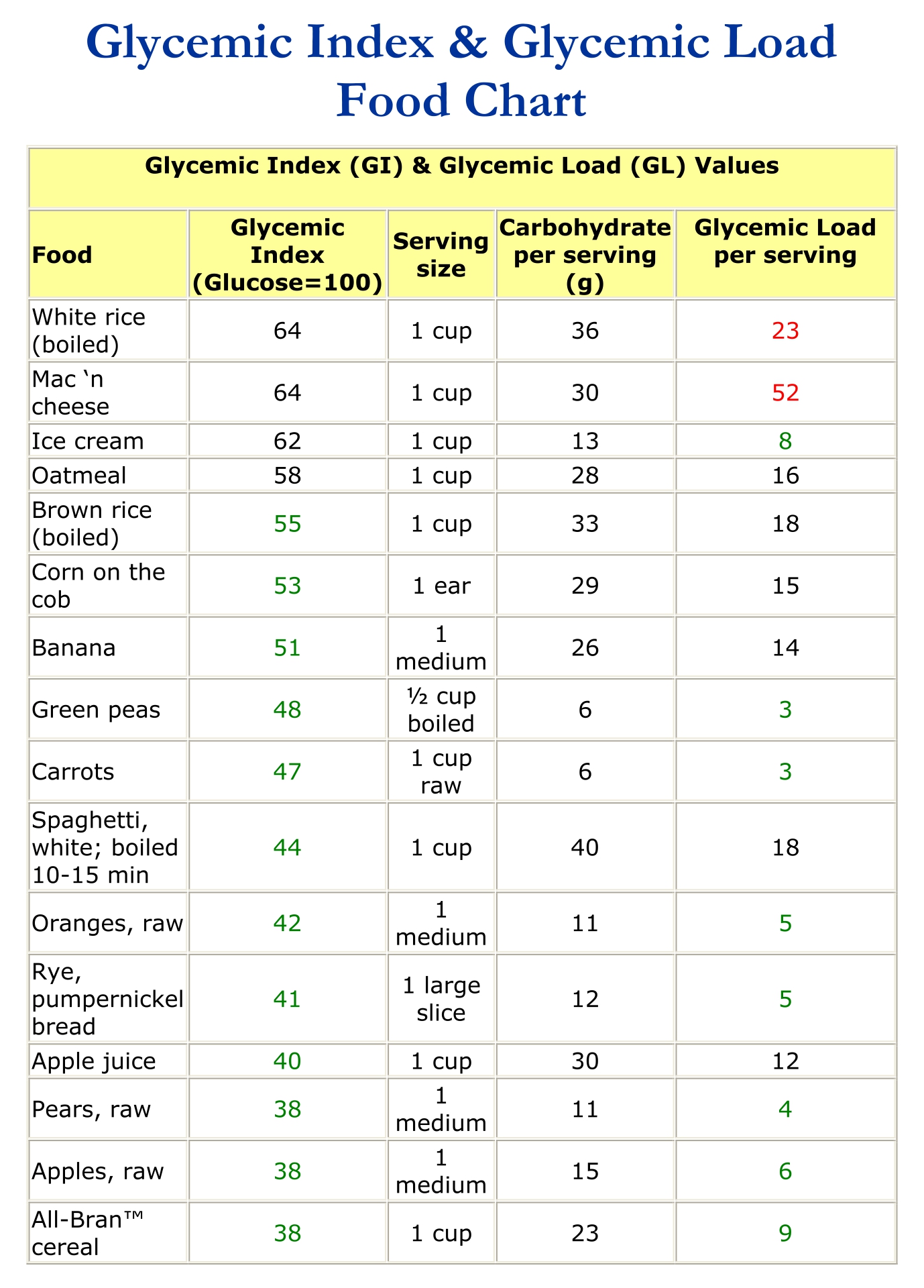
Glycemic Index Food Chart Printable
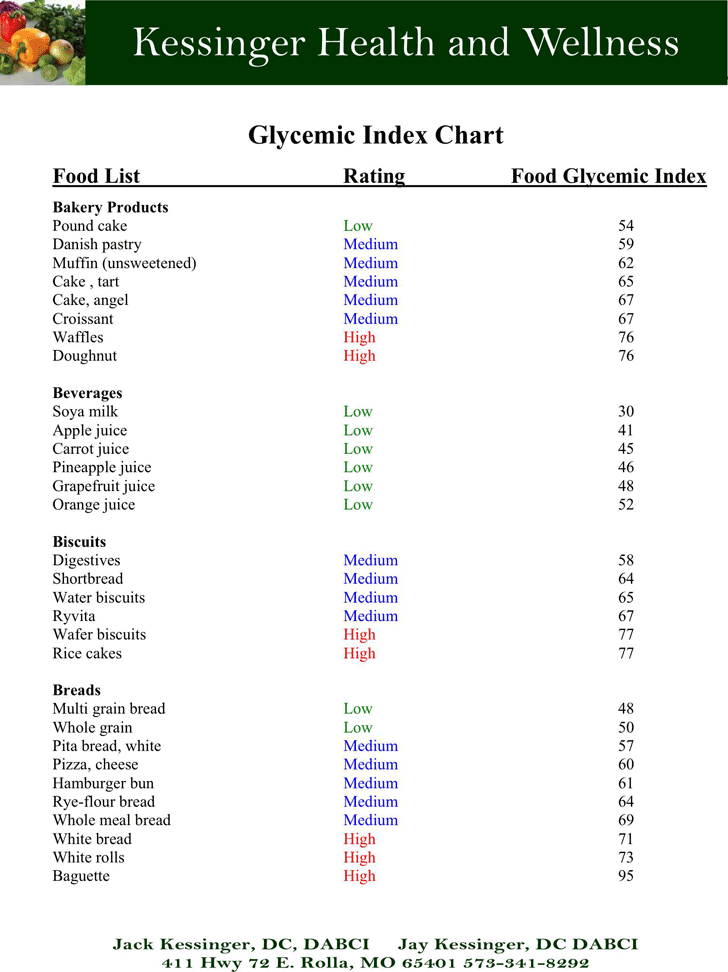
Buckwheat Glycemic Index Chart at Katrina Berg blog
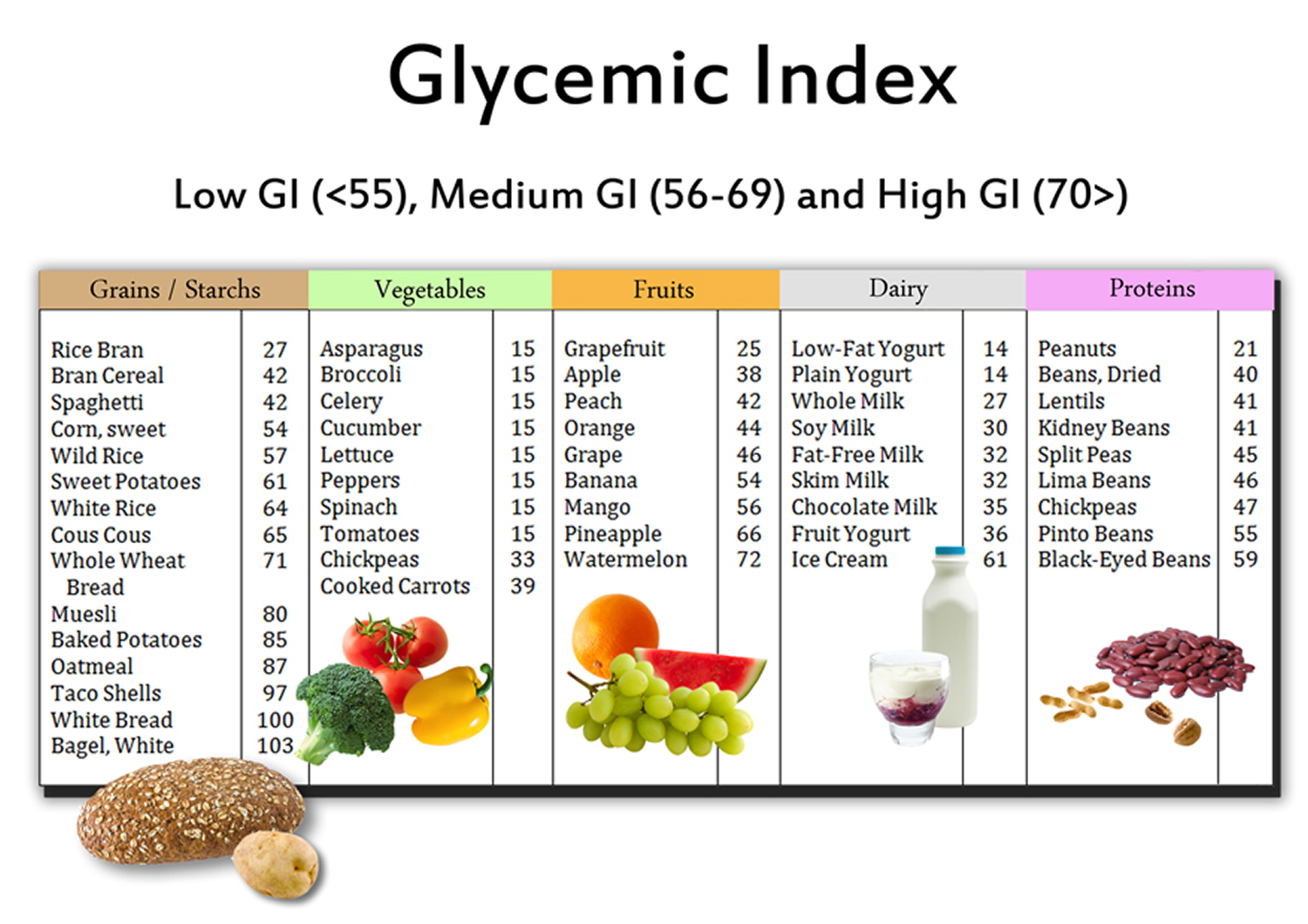
Glycemic Index Printable Chart
When You Have Type 2 Diabetes, One Of The Best Ways To Control Your Glucose.
What Is The Glycemic Index?
The Glycemic Index Is A Scale That Ranks The Number Of Carbohydrates In Foods From Zero To 100, Indicating How Quickly A Food Causes A Person’s Blood Sugar To Rise.
Related Post: