For Your Mistletoes Free Printable Tag
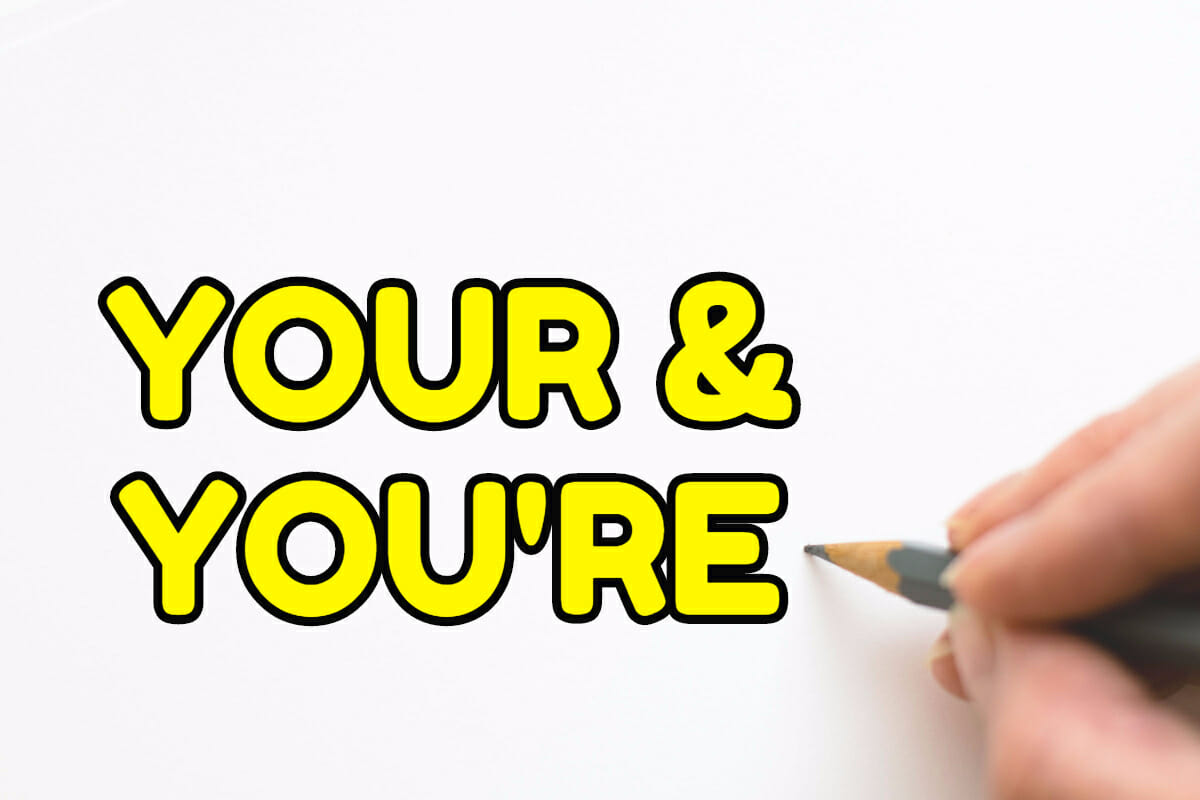
For Your Mistletoes Free Printable Tag - If you can substitute the words you are then the correct choice is you’re. Your is to show something. Your is the possessive form of the. Emma, i trust your opinion a great deal. Your is a possessive form of you to mean the person is in ownership or possession of something. You're is short for you are. for example: Your is an embarrassing mistake that is easy to avoid. Simply put, the difference between your and you’re is: Your is a single word, and shows possession of a thing (as in ‘your paper has some mistakes’). A speaker or writer uses your to indicate that something belongs or relates to the person or people that they are talking or writing to. Does she think you're happy? Your is a possessive adjective and modifies nouns. Your is the possessive form of the. Belonging or relating to the person or group of people being spoken or written to: Your is an embarrassing mistake that is easy to avoid. You're and your are easy to confuse because they sound identical. If you can substitute the words you are then the correct choice is you’re. These two words sound alike, but mixing up you’re vs. Your is to show something. Among the most common mistakes when writing—especially when writing something quickly like an email or text—is using you’re and your incorrectly. Emma, i trust your opinion a great deal. Does she think you're happy? A speaker or writer uses your to indicate that something belongs or relates to the person or people that they are talking or writing to. Your is the possessive form of the. Your is a possessive form of you to mean the person is in ownership or. A speaker or writer uses your to indicate that something belongs or relates to the person or people that they are talking or writing to. In this article, we’ll look at the differences between your and you’re, including when to use them, and provide illustrative examples. Does she think you're happy? These two words sound alike, but mixing up you’re. Does she think you're happy? Your is a single word, and shows possession of a thing (as in ‘your paper has some mistakes’). Your is the possessive form of the. Your is a possessive form of you to mean the person is in ownership or possession of something. Belonging or relating to the person or group of people being spoken. You’re is a contraction of “you are,” a combination of a noun and verb to form one word. Your is a possessive form of you to mean the person is in ownership or possession of something. Your is the possessive form of the. Does she think you're happy? Your is an embarrassing mistake that is easy to avoid. You're is short for you are. for example: If you can substitute the words you are then the correct choice is you’re. A speaker or writer uses your to indicate that something belongs or relates to the person or people that they are talking or writing to. These two words sound alike, but mixing up you’re vs. Your is a. Your is a possessive adjective and modifies nouns. Does she think you're happy? These two words sound alike, but mixing up you’re vs. You're is short for you are. for example: If you can substitute the words you are then the correct choice is you’re. Your is the possessive form of the. You're is short for you are. for example: A speaker or writer uses your to indicate that something belongs or relates to the person or people that they are talking or writing to. You’re is a contraction of “you are,” a combination of a noun and verb to form one word. Belonging or. Simply put, the difference between your and you’re is: Your is the possessive form of the. In this article, we’ll look at the differences between your and you’re, including when to use them, and provide illustrative examples. These two words sound alike, but mixing up you’re vs. Does she think you're happy? In this video, you’ll learn more about when to use your and you're correctly in american english. Your is an embarrassing mistake that is easy to avoid. Your is to show something. Your is a possessive form of you to mean the person is in ownership or possession of something. Your is the possessive form of the. You’re is a contraction of “you are,” a combination of a noun and verb to form one word. In this video, you’ll learn more about when to use your and you're correctly in american english. You're is short for you are. for example: Your is a possessive adjective and modifies nouns. Emma, i trust your opinion a great deal. Simply put, the difference between your and you’re is: A speaker or writer uses your to indicate that something belongs or relates to the person or people that they are talking or writing to. Belonging or relating to the person or group of people being spoken or written to: Your is the possessive form of the. Your is a possessive form of you to mean the person is in ownership or possession of something. You’re is a contraction of “you are,” a combination of a noun and verb to form one word. These two words sound alike, but mixing up you’re vs. Does she think you're happy? Your is an embarrassing mistake that is easy to avoid. Emma, i trust your opinion a great deal. Your is to show something. Your is a single word, and shows possession of a thing (as in ‘your paper has some mistakes’). In this video, you’ll learn more about when to use your and you're correctly in american english. You're is short for you are. for example: You're and your are easy to confuse because they sound identical.
Your vs. You're Usage, Difference & Examples

What's your hobby? Baamboozle Baamboozle The Most Fun Classroom

FIFA World Cup 2022 Final + Playoff ** spoilers ** [17th 18th

Your vs. You’re Learn the Difference LanguageTool
How to Use "Your" in the English Grammar LanGeek

Your vs. You’re Learn When to Use Them
Richie Compass Gauge Page 2 Land Rover and Range Rover Forum

Grammar Guerilla Your And You’re The Heidelblog

You're en your op de juiste manier gebruiken 7 stappen (met

YOUR in different languages 134+ Translation & Listening Translate.How
If You Can Substitute The Words You Are Then The Correct Choice Is You’re.
Your Is A Possessive Adjective And Modifies Nouns.
Among The Most Common Mistakes When Writing—Especially When Writing Something Quickly Like An Email Or Text—Is Using You’re And Your Incorrectly.
In This Article, We’ll Look At The Differences Between Your And You’re, Including When To Use Them, And Provide Illustrative Examples.
Related Post: